Best Lubricants: How to Choose the Right One for You
Walk into most sex shops (or scroll most sex toy websites) and the lube wall looks like a chemistry set a dozen brands, half a dozen types, and no real explanation of why any of them are different. So people default to whatever's cheapest, or whatever they grabbed last time, and end up with something that dries out mid session, irritates their skin, or quietly ruins a silicone toy.
Here's the short version: the "best" lubricant isn't a single product. It's whichever type matches what you're doing, what you're using it with, and how your body reacts to it. Get that match right and lube stops being an afterthought and starts doing its job properly.
This guide walks through exactly how to make that call — no product pushing, just what actually matters.
Water based, silicone, or hybrid what's the real difference?
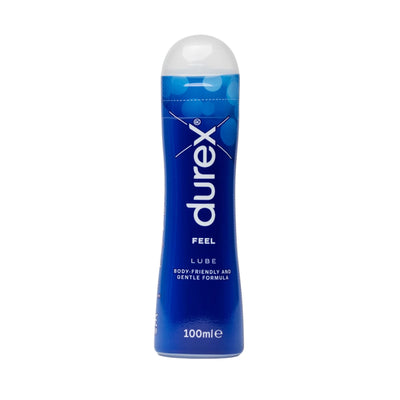
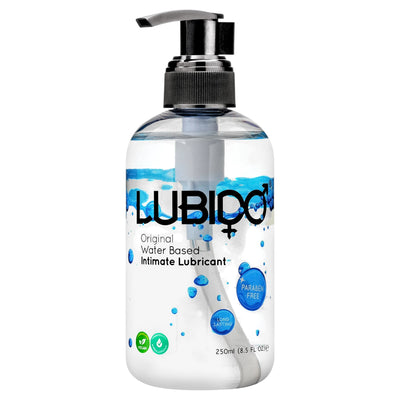
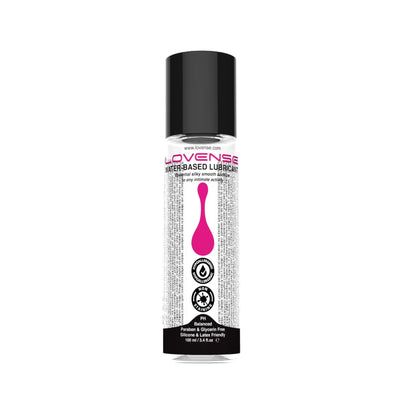
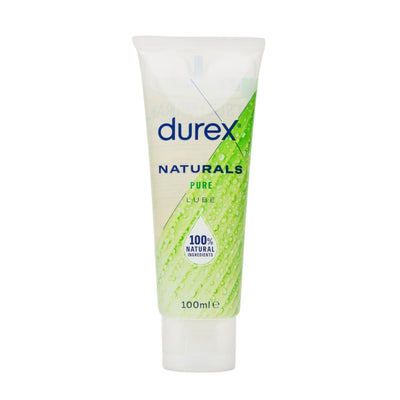
Water based lube is the safest all round choice: it works with every toy material and every condom, rinses off with water, and is the gentlest starting point if you're not sure what you need yet. Its trade off is that it can dry out during longer sessions and needs reapplying.
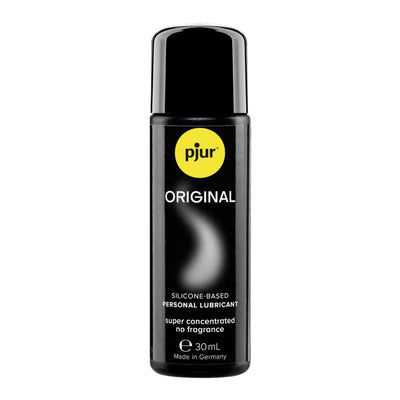
Silicone lube lasts far longer and holds up in water it's the one to reach for in the shower or bath, or for sessions where you don't want to keep stopping to top up. The trade off is that it will degrade silicone toys over time, and it's a bit more work to wash off skin or fabric.


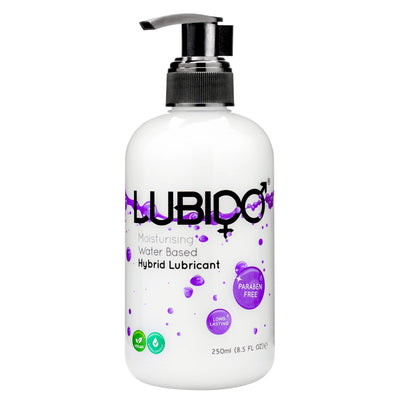
Hybrid lube splits the difference. It's longer lasting than water based without the full commitment of silicone, and easier to clean up too though it still isn't fully safe for toys, so check the label if you're pairing it with anything silicone.
Oil based lube lasts the longest of all, and feels the most like a proper massage product, but it comes with the biggest caveats: it breaks down latex condoms within minutes and isn't safe with most toys, so it really only suits solo use or sex without a condom.
Which one is actually right for you
The type on the label matters less than the situation you're using it in. A few common ones:
If you're using it with sex toys stick to water based, or double check the hybrid's label specifically says it's safe for silicone toys. Silicone on silicone contact breaks down the toy's surface over time, which shortens its life and makes it harder to keep clean.
If you have sensitive skin or are prone to irritation water based is the gentler starting point, but the type matters less than the ingredient list. Look for something free of glycerin, added sugars, parabens, and fragrance (more on why below). A short ingredient list is usually a good sign.
If you're using condoms water based and hybrid are both safe with condoms. Oil based lube breaks down latex within minutes and can cause a condom to fail, so it's a hard no if you're relying on condoms for protection.
If you want something that lasts through a longer session silicone is the obvious pick, but if you're also using toys that day, keep a small bottle of water based lube around for that part.
If you're in the bath or shower silicone is the only one of the four that won't just wash away, which makes it the practical choice for wet environments.
If you're trying to conceive most standard lubricants, including some marketed as "natural," can interfere with sperm motility. If this applies to you, look specifically for a lubricant labelled as fertility friendly or safe for sperm, and don't assume a lube is fine just because it's water based.
Other types worth knowing about
A few lubricants are built for a specific job rather than general use:
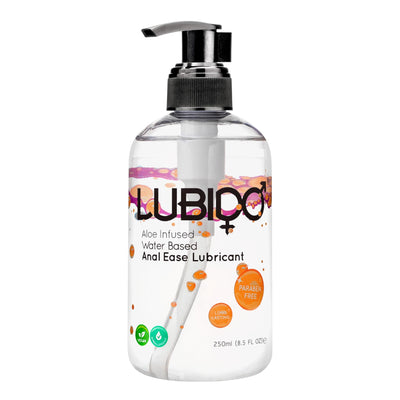
Anal lubricant is thicker than standard water based lube and formulated to last longer, since the body doesn't produce its own lubrication there the way it does elsewhere. Using a standard thin lube for anal play usually means reapplying constantly and a higher risk of friction and discomfort a lube made specifically for anal use is worth it if this is a regular thing for you.
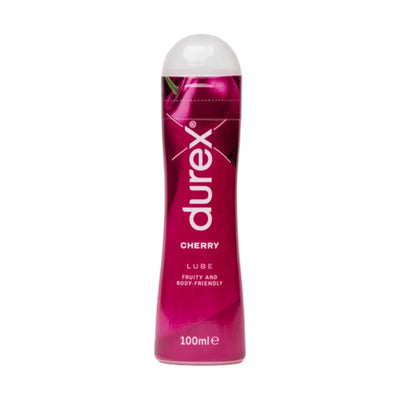
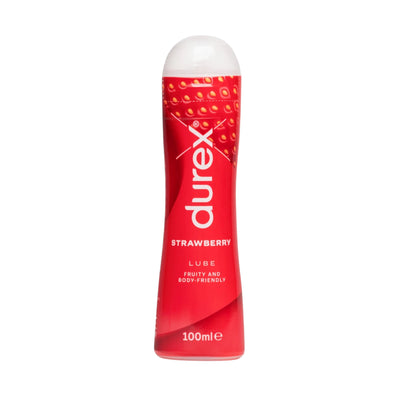
Flavoured lubricant is almost always water based and designed to be ingested, which is worth checking before you assume a "regular" lube is safe for oral use. Flavoured formulas often contain sugars to make them palatable, which is fine for occasional oral use but not something you'd want as your everyday lube (see the ingredients section below).
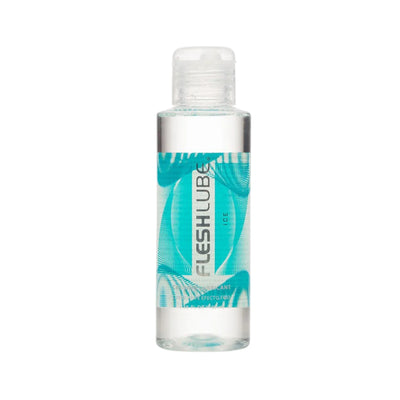
Warming and cooling lubricants work by triggering a mild sensory reaction on the skin usually through ingredients like menthol or compounds derived from capsaicin. They can be a fun addition, but they're also the type most likely to cause irritation, so they're worth patch testing first if you have sensitive skin, and best avoided altogether if you already know fragranced or "active" products don't agree with you.

Ingredients actually worth avoiding
Not all lube is created equal, and the type (water, silicone, or oil) only tells you half the story. A few ingredients are worth checking the label for regardless of type:
Glycerin and added sugars can feed yeast and throw off natural pH balance, particularly with repeated use a common cause of recurring irritation that gets blamed on "sensitivity" when it's really the formula.
Parabens, used as a preservative in some cheaper lubricants, are increasingly avoided due to concerns about hormone disruption, though the research here is still evolving. If you'd rather not take the risk, it's easy to find options free of parabens.
Added fragrance is one of the most common causes of irritation in intimate products generally, lube included. If you've reacted to scented products elsewhere, assume a fragranced lube will do the same.
The rule of thumb: shorter ingredient lists with recognisable ingredients are usually the safer bet, whatever the type on the front of the bottle.
Common questions
Does lube expire?
Yes most have a shelf life of two to three years unopened, shorter once opened. Check for a change in smell, texture, or colour, and don't use it past the printed date.
Can I use coconut oil or another kitchen oil as lube?
You can, but treat it the same as any oil based lubricant: not safe with condoms, not safe for toys made of silicone, and it won't rinse off with water. Fine for solo use or massage, not a substitute for everyday use.
Do I need different lube for different toys?
Only silicone toys are the issue silicone lube degrades them. Glass, metal, and most hard plastic toys are fine with any lube type. When in doubt, water based lube works with everything.
Is more lube always better?
Not necessarily too much can make things too slippery to feel much of anything, and increases how often you're reapplying. Start with a small amount and add more as needed; it's easier to add than take away.
The bottom line
There isn't a single "best" lubricant there's a best lubricant for what you're doing. Water based if you want the safest, most versatile option, especially with toys or condoms. Silicone if longevity or water resistance matters more than compatibility with toys. Hybrid if you want a middle ground. And whatever type you land on, the ingredient list matters as much as the category on the bottle.
That's the whole point of a curated range over a supermarket shelf: fewer options, but every one of them earns its place so you're choosing between things that are actually good, not wading through everything to find the one that is. Ready to find yours? Browse our full lube range.